A revolutionary key management system (KMS) is essential for modern businesses seeking to enhance data security and streamline operations. Effective KMS guarantees authorized personnel access sensitive information, reducing the risk of breaches. It integrates with existing infrastructure, addresses challenges like lost keys, and adheres to compliance regulations. Automation further boosts efficiency and accountability. By modernizing KMS, organizations can foster a culture of security awareness. This approach lays the foundation for future advancements in key management practices.
Key Takeaways
- Implement a modernized Key Management System (KMS) that integrates advanced encryption and real-time tracking for enhanced security and compliance. Automate key issuance and tracking processes to improve efficiency and reduce human error in key management operations. Establish strict access control policies and regular key rotation schedules to minimize the risk of unauthorized access and data breaches. Conduct regular audits and compliance training to ensure adherence to industry standards and evolving regulations like GDPR and HIPAA. Leverage user-friendly interfaces to enhance employee engagement and promote a culture of security awareness across the organization.
Understanding Key Management Systems
A key management system (KMS) is crucial for securing physical and digital assets in a business environment. It provides a structured approach to managing the creation, distribution, storage, and destruction of keys used for access control.
A KMS guarantees that only authorized personnel can access sensitive areas or information, thereby reducing the risk of unauthorized access. Additionally, it aids in tracking key usage, facilitating audits, and maintaining accountability.
By implementing a KMS, organizations can streamline their operations, minimize security breaches, and better comply with regulatory requirements. The system can be tailored to specific business needs, integrating with existing security measures to enhance overall safety.
Implementing a KMS enhances operational efficiency, reduces security risks, and ensures compliance with regulatory standards.
Ultimately, a well-defined KMS is fundamental for fostering a secure business environment.
The Importance of Data Security
Data security is essential for businesses to protect sensitive information from unauthorized access and breaches.
Adhering to compliance and regulations not only safeguards data but also enhances customer trust and business integrity.
Consequently, effective key management systems play an important role in maintaining robust data security measures.
Protecting Sensitive Information
Protecting sensitive information is vital for maintaining the integrity and trustworthiness of any business. With the increasing prevalence of cyber threats, companies must prioritize robust security measures to safeguard their data.
Implementing a thorough key management system can greatly enhance data protection by ensuring that encryption keys are securely generated, stored, and managed. This minimizes the risk of unauthorized access and data breaches, which can lead to severe financial and reputational damage.
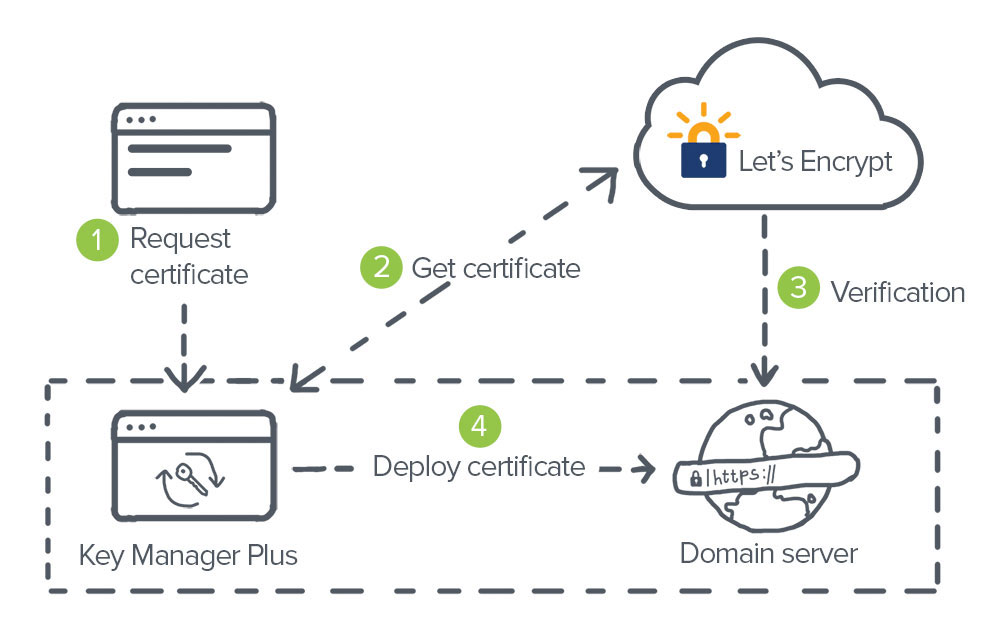
In addition, educating employees about best practices in data handling is essential in creating a culture of security awareness. By investing in these protective strategies, businesses not only comply with security standards but also reinforce customer confidence and loyalty, ultimately driving long-term success.
Compliance and Regulations
How can businesses navigate the complex landscape of compliance and regulations while ensuring data security?
Organizations must prioritize a robust key management system that aligns with industry standards and legal requirements. Compliance frameworks such as GDPR, HIPAA, and PCI DSS place stringent demands on data protection, requiring businesses to implement appropriate safeguards.
A thorough key management strategy enables organizations to manage encryption keys effectively, ensuring that sensitive data remains secure and compliant. This reduces the risk of data breaches and associated penalties.
In addition, regular audits and updates to key management practices are essential to adapt to evolving regulations. By embracing these measures, businesses can enhance their data security posture while fulfilling compliance obligations, ultimately fostering trust with customers and stakeholders.
Current Challenges in Key Management
Maneuvering the complexities of key management presents significant challenges for businesses today.
One major issue is the lack of standardized procedures, leading to inconsistencies in how keys are tracked and accessed.
Additionally, many organizations struggle with physical security, as keys can easily be lost or stolen, resulting in unauthorized access.
The growing number of employees and access points further complicates oversight, making it difficult to maintain an accurate inventory of keys.
Moreover, the reliance on manual processes increases the risk of human error, which can have severe security implications.
Finally, businesses face challenges in integrating key management systems with existing technologies, hindering overall efficiency and effectiveness in safeguarding assets.

These factors collectively underscore the urgent need for a more robust approach to key management.
Benefits of a Modernized KMS
The challenges outlined in key management can be effectively addressed through the adoption of a modernized Key Management System (KMS). A modernized KMS enhances security by incorporating advanced encryption technologies, reducing the risk of unauthorized access.
Adopting a modernized Key Management System significantly enhances security and reduces the risk of unauthorized access through advanced encryption technologies.
It streamlines operations, allowing for real-time tracking and management of keys, which minimizes the time spent on manual processes. Additionally, it improves compliance with regulatory requirements, ensuring that businesses can easily demonstrate adherence to security protocols.
In addition, such systems often feature user-friendly interfaces, making it easier for employees to navigate and utilize the system efficiently.
Ultimately, a modernized KMS not only boosts productivity but also fosters a culture of security awareness within the organization, leading to long-term benefits for overall operations.
Integrating KMS With Existing Infrastructure
Integrating a Key Management System (KMS) with existing infrastructure requires a careful assessment of current needs to guarantee compatibility.
Selecting a KMS solution that aligns with pre-existing systems is critical for seamless functionality.
A gradual integration strategy can help mitigate risks and facilitate a smoother shift.
Assess Current Infrastructure Needs
As organizations seek to implement a Key Management System (KMS), it is essential to first evaluate their current infrastructure needs to guarantee seamless integration. This evaluation involves analyzing existing hardware, software, and network capabilities to determine compatibility with the new KMS.
Organizations should identify any gaps in their infrastructure that may hinder the effective deployment of the system. Factors such as scalability, security protocols, and data handling processes must be considered, ensuring that the infrastructure can support the KMS’s functionality.
Additionally, reviewing user access levels and training requirements is vital for a smooth shift. By thoroughly understanding their existing infrastructure, organizations can make informed decisions that enhance the effectiveness of the KMS while minimizing disruption to ongoing operations.
Choose Compatible KMS Solutions
When selecting a Key Management System (KMS), businesses must guarantee that the chosen solution seamlessly integrates with their existing infrastructure. A compatible KMS assures streamlined operations and reduces the risk of disruptions.
Organizations should consider several factors to ascertain compatibility:
Software Integration: The KMS should work with current software applications, ensuring smooth data flow and interaction. Hardware Compatibility: It is essential for the KMS to support existing hardware components, minimizing the need for additional investments. Compliance and Security Standards: The chosen KMS must adhere to the organization's security protocols and regulatory requirements to maintain data integrity and compliance.Implement Gradual Integration Strategy
A gradual integration strategy allows businesses to adopt a Key Management System (KMS) without overwhelming existing operations. This approach involves implementing the KMS in phases, allowing for adjustments based on feedback and performance.
Initially, organizations can integrate the KMS with a limited scope, focusing on critical areas to guarantee stability. As familiarity grows, additional functionalities can be introduced, facilitating a more seamless shift.
This method minimizes disruptions, as employees have time to adapt and learn the new system incrementally. Moreover, it allows for ongoing assessment of the KMS's effectiveness, enabling businesses to make informed decisions regarding further integration.
Ultimately, a gradual strategy fosters a smoother, more efficient shift to a thorough key management solution.
Best Practices for Key Lifecycle Management
Effective key lifecycle management is essential for maintaining security and operational efficiency within a business. Organizations should adopt best practices to guarantee their key management systems are robust and reliable.
Regular Audits: Conduct frequent reviews of key usage and access to identify any discrepancies or unauthorized access attempts. Key Rotation: Implement a schedule for regularly changing keys to minimize the risk of compromise and enhance security. Access Control: Establish strict access policies to limit key distribution to authorized personnel only, reducing the potential for internal threats.Compliance and Regulatory Considerations
How can organizations guarantee they meet the complex landscape of compliance and regulatory requirements surrounding key management? To navigate this intricate environment, businesses must first identify relevant regulations such as GDPR, HIPAA, or PCI-DSS, which impose strict data protection standards.
Establishing a robust key management policy is essential, incorporating controls for access, encryption, and audit trails. Regular training for staff on compliance protocols further strengthens adherence.
A strong key management policy, combined with staff training on compliance, is vital for maintaining security and adherence to regulations.
Organizations should also conduct periodic risk assessments to evaluate their key management practices against regulatory expectations. Engaging with legal and compliance experts can provide valuable insights and help mitigate risks.
Ultimately, a proactive approach to compliance not only safeguards sensitive information but also reinforces organizational integrity and trustworthiness in the eyes of customers and regulators alike.
Leveraging Automation in Key Management
Automation in key management can markedly streamline the key issuance process, reducing the time and effort required for manual tasks.
By implementing automated systems, organizations can enhance their security protocols, ensuring that access is granted only to authorized personnel.
This approach not only improves efficiency but also strengthens overall security measures.
Streamlining Key Issuance Process
Streamlining the key issuance process can greatly enhance operational efficiency within a business. By automating key management, organizations can reduce manual errors, improve tracking, and expedite the issuance of keys.
This guarantees that employees have timely access to necessary resources while maintaining a clear overview of key distribution.
Key benefits of streamlining the key issuance process include:
Increased Speed: Automation allows for quicker processing of key requests, reducing downtime for employees. Improved Accountability: Automated systems can track who has which keys, minimizing the risk of loss or unauthorized access. Enhanced Reporting: Businesses can generate reports on key usage and history easily, providing insights into patterns and potential issues.Enhancing Security Protocols Efficiently
What measures can businesses implement to bolster their security protocols in key management? One effective strategy is leveraging automation.
Automated key management systems can streamline the process of issuing, tracking, and retrieving keys, thereby minimizing human error and enhancing accountability. By utilizing access logs and real-time monitoring, businesses can maintain a clear record of key usage, increasing transparency and security.
Additionally, integrating biometric or multi-factor authentication can further safeguard access to keys, ensuring that only authorized personnel can retrieve them. Regular audits and automated alerts for suspicious activities can help identify potential security breaches promptly.
Case Studies: Successful KMS Transformations
Transformation in knowledge management systems (KMS) can lead to remarkable enhancements in organizational efficiency and collaboration.
Numerous case studies illustrate successful KMS transformations across various industries, showcasing the tangible benefits of these systems.
Successful KMS transformations across industries reveal significant benefits and enhanced organizational performance.
Tech Firm: A leading tech company streamlined its project management through a centralized KMS, reducing project completion time by 30% and fostering better team communication. Healthcare Provider: A healthcare organization implemented a KMS to manage patient data, resulting in a 25% decrease in administrative errors and improved patient care outcomes. Manufacturing Company: A manufacturing firm adopted a KMS to track inventory and production processes, which enhanced operational efficiency and reduced costs by 15%.These examples highlight the profound impact that effective KMS can have on business performance.
Future Trends in Key Management Systems
As organizations continue to recognize the advantages of effective knowledge management systems, the focus is shifting toward emerging trends that will shape the future of KMS. One significant trend is the integration of artificial intelligence, which enhances data analysis and personalization, allowing organizations to deliver tailored knowledge solutions.
Additionally, cloud-based KMS are gaining traction, facilitating remote access and collaboration across global teams. The rise of blockchain technology also suggests increased security and transparency in knowledge sharing.
Moreover, the focus on user experience is leading to more intuitive interfaces, ensuring that employees https://newsmules.com/top-rated-pki-management/ can efficiently navigate these systems.
Finally, the emphasis on data analytics will enable organizations to measure the impact of KMS on productivity and decision-making, driving continual improvement.
FAQ
How Do I Choose the Right KMS for My Business?
Choosing the right key management system (KMS) for a business involves evaluating specific needs and requirements.
Factors to take into account include scalability, integration capabilities with existing systems, user-friendliness, and security features.
It is crucial to assess the vendor's reputation and support services. Conducting thorough research and seeking recommendations can provide valuable insights.
Ultimately, aligning the KMS with the business's operational goals will guarantee effective management and protection of sensitive information.
What Are the Costs Associated With Implementing a KMS?
When considering the costs associated with implementing a key management system (KMS), various factors come into play.
These include initial software purchase fees, ongoing subscription costs, infrastructure expenses, and potential hardware investments.
Additionally, businesses may incur training costs for staff and expenses related to system integration.
Maintenance and support fees should also be factored in, as they can markedly impact the overall budget for a successful KMS deployment.
Can a KMS Integrate With Third-Party Applications?
The intricate dance of technology often leads to harmonious integrations, allowing systems to communicate seamlessly.
In the domain of key management systems, the capability to interface with third-party applications is not merely a possibility; it is a burgeoning expectation.
Many modern KMS solutions are designed with this flexibility in mind, enabling businesses to enhance their operational efficiency by leveraging existing tools and software, thereby fostering a more cohesive digital ecosystem.
What Support Options Are Available After KMS Implementation?
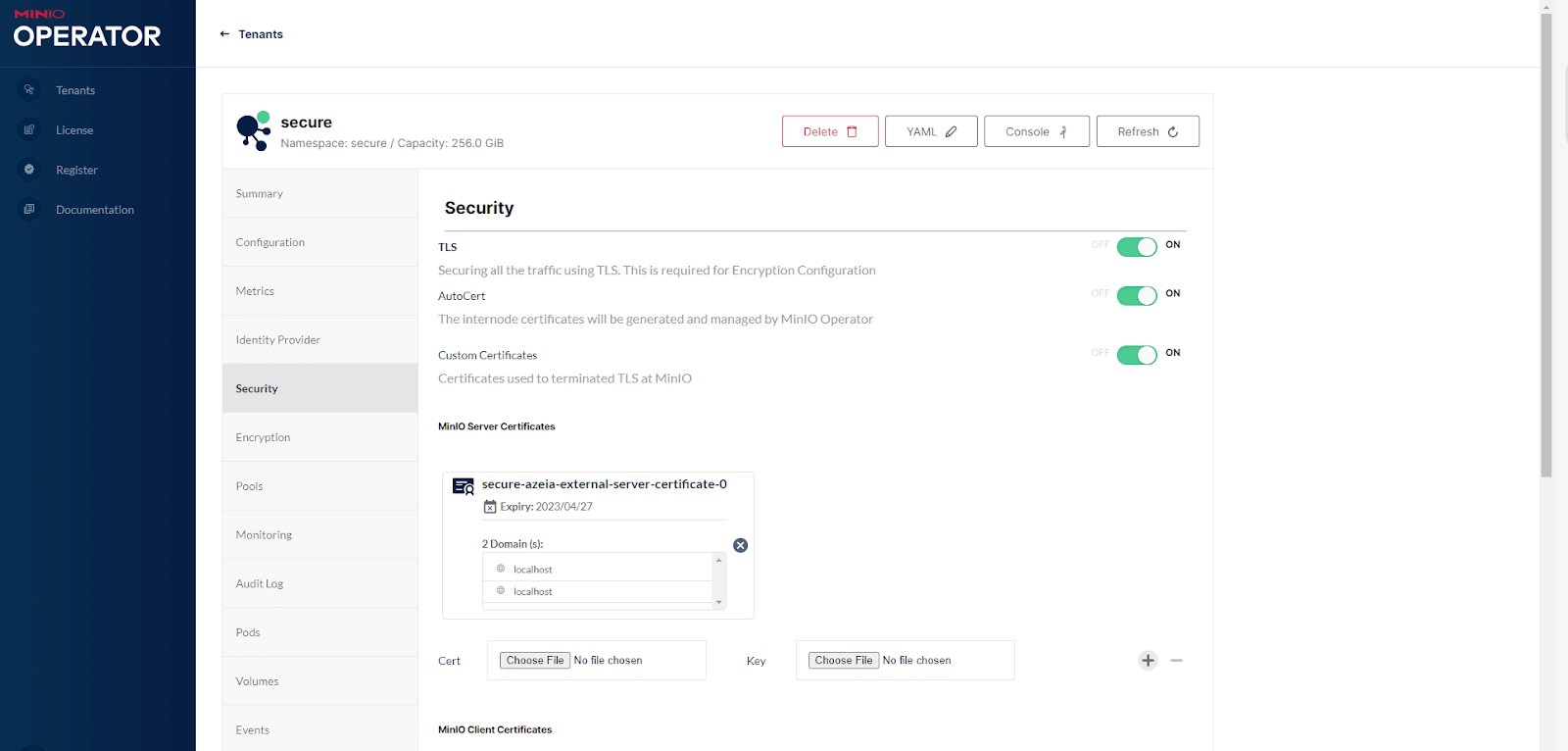
After the implementation of a Key Management System (KMS), various support options are typically available to guarantee peak functionality.
These may include ongoing technical support, user training sessions, and access to online resources such as documentation and FAQs.
Additionally, some providers offer dedicated account managers or customer service representatives to address specific concerns.
Regular software updates and maintenance services may also be included to enhance system performance and security over time.
How Often Should I Update My Key Management Policies?
The frequency of updating key management policies is vital for maintaining security and compliance.
Experts recommend reviewing these policies at least annually or whenever significant changes occur within the organization, such as new regulations or technological advancements.
Additionally, after any security incident, a thorough policy review is vital.
Regular updates guarantee that the policies remain relevant and effective in addressing emerging threats and align with industry best practices, ultimately safeguarding sensitive information.
Conclusion
In a world where data flows like an unending river, a modernized key management system stands as the sturdy dam, safeguarding against the torrents of cyber threats. By embracing innovative solutions, businesses can not only fortify their defenses but also navigate the intricate landscape of compliance and efficiency. As the horizon of technology expands, the promise of a secure future beckons, inviting organizations to transform their key management strategies and illuminate their path toward resilience and growth.